
Spun Yarn in Polyester Sourcing: Trends Reshaping Buyer Decisions
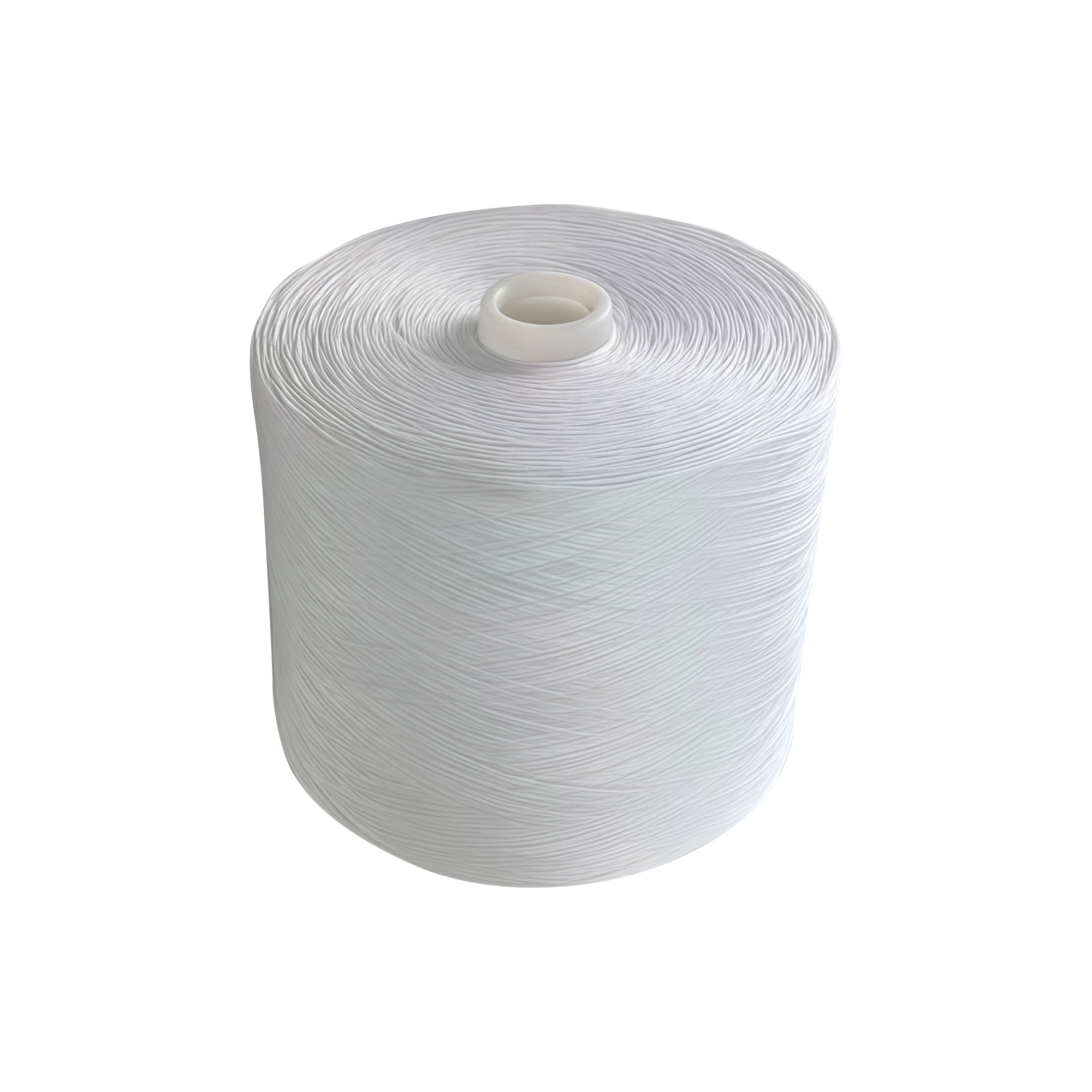
Why Spun Yarn Sourcing Is Shifting
Spun yarn — made by twisting staple fibers into a continuous strand — remains the workhorse of polyester textile supply. But the conditions around buying it are changing. Fiber availability, spinning equipment upgrades, and tighter application requirements are altering what buyers should ask for and how they should compare suppliers. This article maps the observable trends and turns each into a practical sourcing decision.
It focuses on 100% polyester staple-spun yarn, including single yarn and plied yarn constructions. The aim is not to predict markets but to help buyers separate durable shifts from noise.
Trend 1: Fiber Supply Is Becoming More Grade-Specific
Polyester staple fiber is not a single commodity. Fiber producers offer variations in denier, cut length, tenacity, elongation, and finish that suit different spinning systems and end uses. As downstream applications diversify, buyers increasingly encounter fiber grades positioned for specific performance profiles rather than generic “polyester.”
Decision implication: Ask your yarn supplier which fiber specification the yarn is built on, not just the yarn count. For applications needing high strength and low elongation, confirm that the fiber and spinning process are aligned to that goal. A yarn datasheet that lists only count and ply leaves the performance question open.
Action: Add fiber specification — denier, cut length, tenacity, and elongation — to your RFQ template. If the supplier cannot state it, treat that as a gap in traceability.
Trend 2: Spinning Technology Is Raising Consistency Expectations
Spinning equipment continues to evolve, with tighter process control and more automated monitoring. For buyers, the practical effect is that consistent count, twist, and evenness are becoming baseline expectations rather than premium features. This matters most in plied yarn, where two or three single yarns are twisted together and any inconsistency in the components compounds in the final product.
Decision implication: When evaluating plied yarn, ask how the component single yarns are controlled before plying. A supplier who can explain the relationship between single yarn quality and final plied yarn performance is more likely to deliver repeatable results.
Action: Request sample data for both the single yarn and the plied yarn. Compare count variation and twist across lots, not just within one sample.
Trend 3: Application Requirements Are Tightening
End uses for polyester spun yarn — apparel, footwear, toys, bags, tires, and sporting goods — each impose different demands. In some segments, buyers are moving toward more explicit performance criteria in purchase specifications, particularly around strength, elongation, and consistency.
This is a qualitative observation drawn from common procurement practice, not a market statistic. The direction is clear enough to act on: vague specifications invite disputes later.
Decision implication: Match yarn construction to application. A 10/1 single yarn, a 10/2 two-ply, and a 10/3 three-ply behave differently in downstream processing. Plied constructions generally offer more strength and balance than a single yarn of the same count, but they also add cost and require more careful twist control.
Action: Write the application into the purchase order. State the count, ply, and intended use so the supplier can flag mismatches before production.
Trend 4: Traceability and Documentation Are Becoming Part of the Buying Decision
Buyers increasingly want technical and inspection reports alongside the yarn, not after a problem appears. This is less about regulation than about risk management: documented specifications make it easier to verify incoming lots and resolve quality questions.
Decision implication: Ask in advance which reports are available and whether third-party inspection can be arranged. A supplier that supports sample approval before custom production reduces the risk of a bulk order that misses the mark.
Action: Build a documentation checklist into your supplier qualification: fiber specification, yarn count and ply, twist, strength and elongation data, and available inspection reports.
Trend 5: Custom and OEM Demand Is Reshaping Order Conversations
More buyers are requesting yarn tailored to a specific application rather than choosing from a standard list. This shifts the sourcing conversation from “what do you have?” to “what can you make, and how will we verify it?”
Decision implication: Custom specifications require a clear approval step. Sample approval before custom production is a practical control point — it lets both sides confirm count, ply, and hand feel before committing to volume.
Action: For custom orders, define the approval criteria in writing: which properties will be measured, on which samples, and what constitutes acceptance.
How to Turn These Trends into a Sourcing Decision
The table below summarizes the trends and the corresponding buyer actions. Use it as a checklist when comparing suppliers or preparing an RFQ.
| Trend | What It Means for Buyers | Practical Action |
|---|---|---|
| Grade-specific fiber supply | Performance depends on fiber choice, not just yarn count | Require fiber specification in the RFQ |
| Spinning consistency | Plied yarn quality depends on component single yarns | Request data for both single and plied yarn |
| Tighter application requirements | Construction must match end use | State application, count, and ply on the PO |
| Documentation expectations | Reports reduce verification risk | Confirm available reports and inspection options |
| Custom and OEM demand | Approval steps matter more than catalog choice | Define sample approval criteria in writing |
What to Ask Before You Commit
These questions help separate a supplier who can meet a specification from one who is guessing:
- Which fiber specification is used, and can you provide tenacity and elongation data?
- For plied yarn, how are the component single yarns controlled before plying?
- What reports are available with the shipment, and can third-party inspection be arranged?
- What is the sample approval process for custom specifications?
- Can you confirm the count and ply in writing for each lot?
For buyers sourcing from Chinese manufacturers, these questions also clarify how much of the process is in-house. In-house spinning from fiber to yarn supports consistency, but it is a claim worth verifying through documentation and samples rather than accepting at face value.
Where This Leaves Polyester Spun Yarn Buyers
The direction of travel is toward more specific, more documented, and more application-linked yarn specifications. That favors buyers who prepare detailed RFQs and suppliers who can respond with data. It disadvantages both parties when the specification is left vague until a problem appears.
The practical next step is to revise your yarn specification template to include fiber details, construction, application, and acceptance criteria. Then test it on a sample order before scaling. Trends are only useful if they change what you ask for — and what you verify.