
Spun Yarn Trends Shaping Polyester Sourcing Decisions
Why spun yarn decisions are getting more deliberate
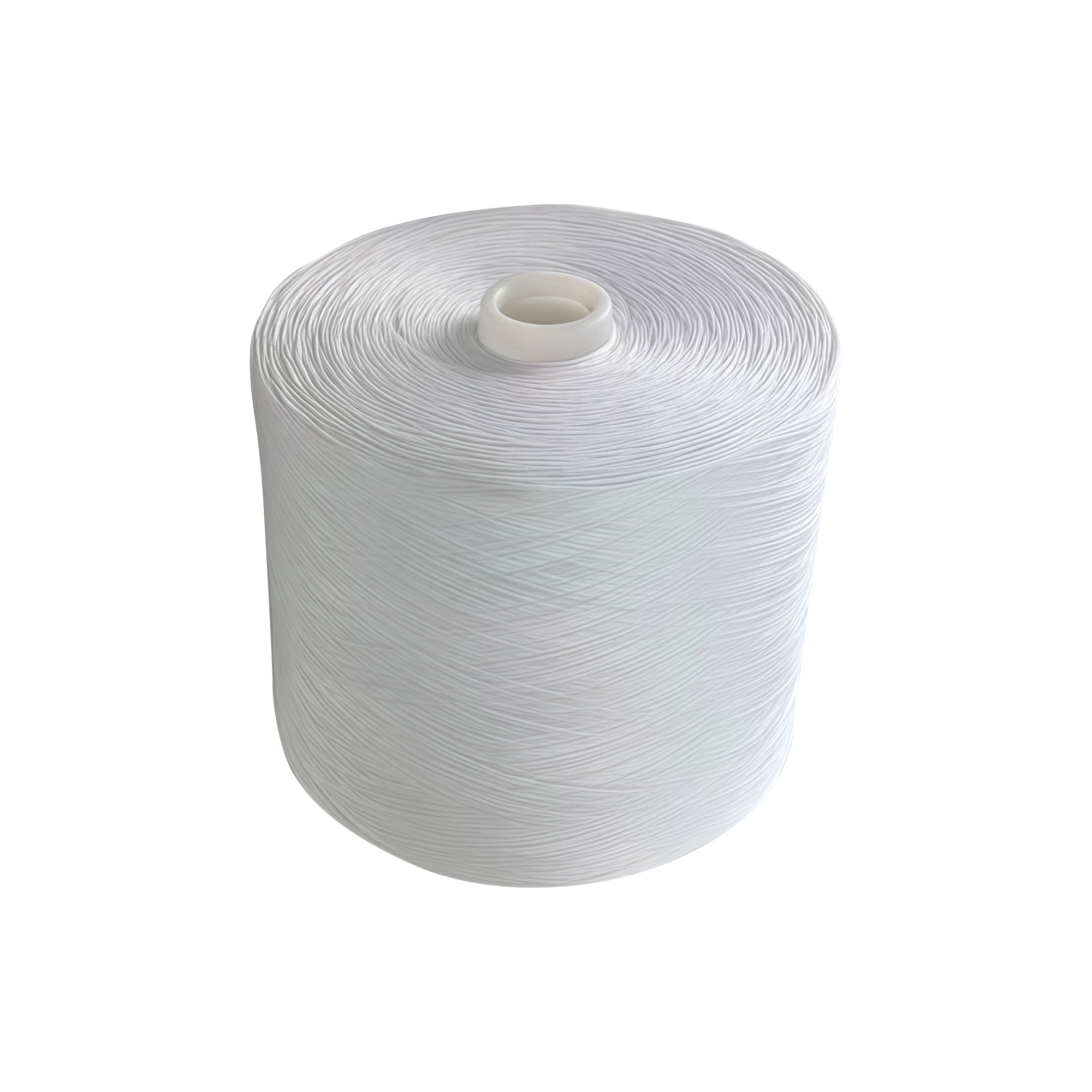
Polyester spun yarn is made by twisting staple fibres into a continuous strand. Buyers rarely purchase it as an end product; they buy it because of what it does downstream in apparel, footwear, bags, toys, tires, or sporting goods. That downstream dependence is the reason sourcing conversations have shifted from "what count do you have?" to "what construction, count, and verification will hold up in my process?"
The trends below are qualitative observations about how buyers and suppliers are approaching these decisions. Where hard market data would be needed to quantify a shift, this article deliberately avoids a number, because unsourced figures are worse than no figure in a procurement file.
Trend 1: Construction is being specified, not assumed
The most practical change is that single yarn and plied yarn are increasingly treated as separate decisions rather than interchangeable options. A single yarn is one twisted strand. A plied yarn twists two or more strands together. The same nominal count can behave differently depending on which construction you order, so buyers who leave ply unspecified leave a real variable open.
Suppliers that publish count and ply together make this easier to manage. For example, 100% polyester staple-spun yarn can be ordered in 10/1 (single), 10/2 (two-ply), and 10/3 (three-ply) constructions, and the same pattern applies at 20s and 30s. The "/1", "/2", and "/3" notation is the practical signal: it tells you how many strands are twisted together before the yarn reaches your process.
Decision implication
Write ply into every inquiry and purchase specification. If a supplier quotes only a count, ask which construction the quote covers. A quote that says "20s" without a ply is incomplete, and the gap tends to surface later as a performance or cost dispute.
Trend 2: Count selection is being tied to the end application
Count describes yarn fineness, and the right count depends on the fabric, component, or product being made. Buyers are increasingly documenting the application alongside the count so that sampling and inspection test the actual use case rather than a generic standard.
A practical way to structure this is to treat count and application as a pair:
| Construction notation | What it describes | Specification question to settle |
|---|---|---|
| 10/1 | Single-strand yarn at 10s count | Is a single construction acceptable for the intended product, or does the process need plied yarn? |
| 10/2 | Two strands twisted together at 10s count | Does the added ply change handling, bulk, or downstream performance in your process? |
| 10/3 | Three strands twisted together at 10s count | Is the heavier plied structure justified by the application, or is it over-specification? |
| 20/1, 20/2, 20/3 | Same construction logic at 20s count | Which count matches your target fabric weight or component strength? |
| 30/1, 30/2, 30/3 | Same construction logic at 30s count | Does the finer count suit the application, and does ply need to compensate? |
The table is a specification checklist, not a performance ranking. Finer or heavier is not automatically better; the correct choice follows from the product, the process, and the agreed sample.
Decision implication
Include the end application in the inquiry, not just the count. Suppliers who ask about application before quoting are usually the ones who can flag a mismatch early.
Trend 3: Specification discipline is replacing informal ordering
Buyers are moving toward written specifications that capture count, ply, quantity, and application in one place. This is a low-cost habit with a clear payoff: it gives sampling, production, and inspection a common reference point.
A workable specification record for polyester spun yarn typically covers:
- Count and ply in standard notation, for example 20/2.
- Fibre content, stated as 100% polyester where that is the requirement.
- Quantity, with units and packaging expectations.
- Application, so the supplier can assess suitability.
- Verification, including whether technical and inspection reports are required and whether third-party inspection is expected.
Buyers evaluating suppliers should also ask whether sample approval happens before custom production. That sequence matters more than the wording of a brochure, because it puts a physical reference in the buyer's hands before commitment.
Trend 4: Verification is moving earlier in the conversation
Inspection and reporting are being discussed at the quotation stage rather than after a problem appears. This is a sensible shift. Yarn properties such as strength and elongation affect how a yarn runs in downstream equipment, and buyers increasingly want those properties documented rather than assumed.
High strength and low elongation is a property profile buyers ask about for applications where dimensional stability and load-bearing behaviour matter. It should be confirmed against the specific count and construction you order, because the profile is a property of the yarn you receive, not a blanket statement about a product family.
Decision implication
Ask three questions before placing a bulk order: which technical reports are available, whether third-party inspection is supported, and which party bears the cost and timing of inspection. Getting answers in writing prevents surprises.
Trend 5: Sourcing conversations are becoming more application-specific
Polyester spun yarn serves a wide range of end uses, including apparel, footwear and headwear, toys, bags, tires, and sports balls and sporting goods. That breadth is useful, but it also means a generic yarn description rarely answers a buyer's real question.
The more useful pattern is to match the yarn to the application and then verify. A yarn intended for a bag or a toy may have different priorities from one intended for a tire or sporting goods component. Rather than assuming one specification fits all, buyers are narrowing the brief and asking suppliers to confirm suitability for that brief.
What these trends mean for your next order
The common thread is precision. Construction, count, application, and verification are being treated as connected decisions rather than separate line items. That is good news for buyers, because each of these variables is something you can control at the inquiry stage.
A practical sequence for a polyester spun yarn order looks like this:
- Define the end application and the performance it demands.
- Select a count and ply that fit that application, and write both down.
- Request a sample and approve it before custom production.
- Confirm which technical and inspection reports are available.
- Agree quantity, packaging, and inspection arrangements in writing.
None of these steps requires a large procurement team. They require a clear brief and a supplier willing to answer specific questions. When a supplier can respond to count, ply, application, and verification in one exchange, the sourcing process gets shorter and the risk gets smaller.